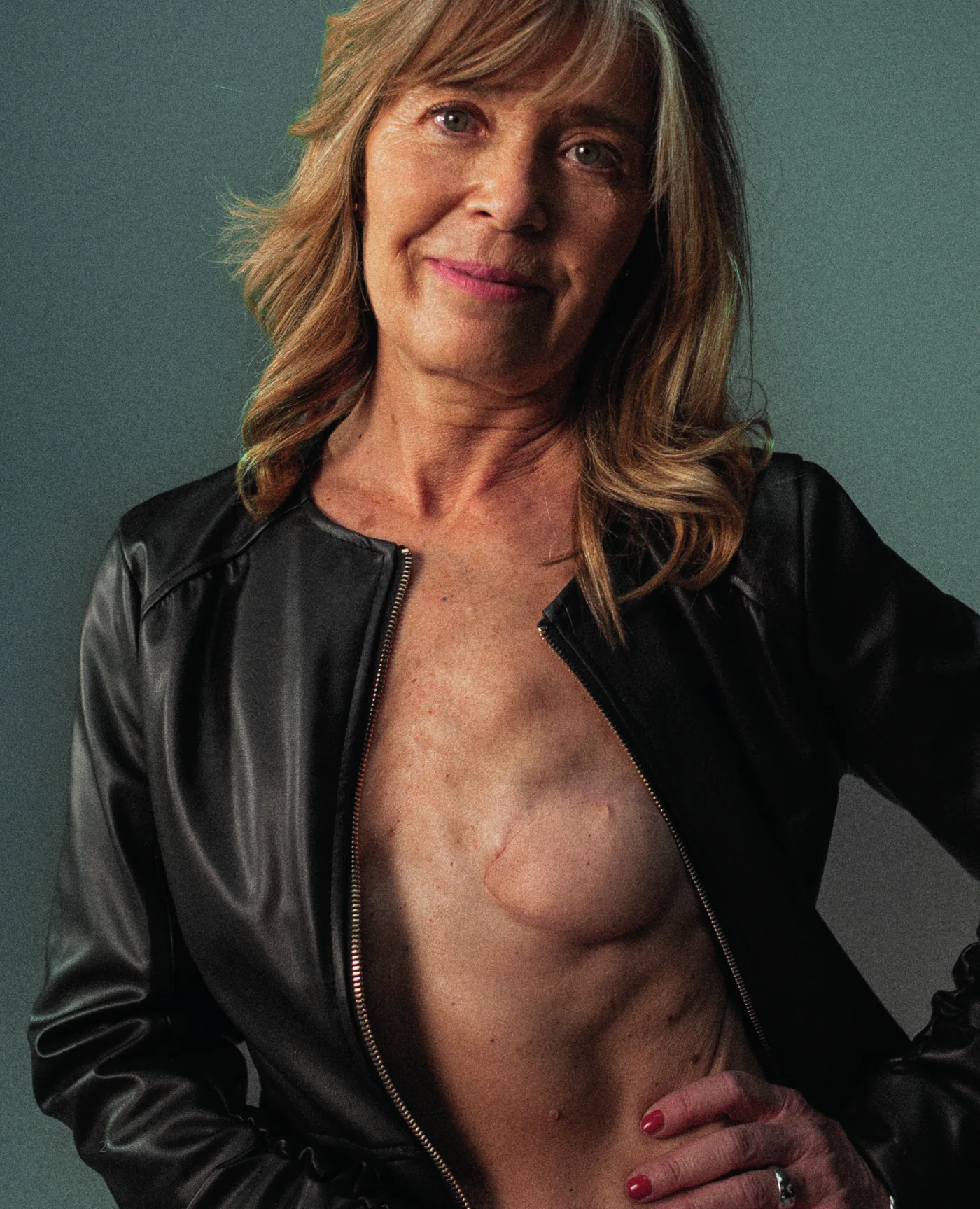
Your body. Your story. Your choice.

Designedtosupportprojection.

For surgeons

FixNip NRI

Designed to support projection. Built for reconstruction.

A flower-shaped nitinol frame fully encapsulated in perforated silicone, designed for insertion through a small surgical incision; anaesthesia and care setting are determined by the treating surgeon.

An implantation procedure determined by the treating surgeon.

In accordance with the instructions for use, tailored to each patient. Anaesthesia and care setting are determined by the treating surgeon.

Safety and performance evaluated in clinical studies.

The clinical data to date in the dossier, together with the contraindications and the possible complications listed in the instructions for use and in the medical notice on this site.

Clinical outcomes evaluated through follow-up.

Projection assessed in the first-in-human trial and in a published case series; each source is shown with its limitations.

Look closer

The advantages of FixNip.

Scroll

One integrated implant

Medical-grade silicone

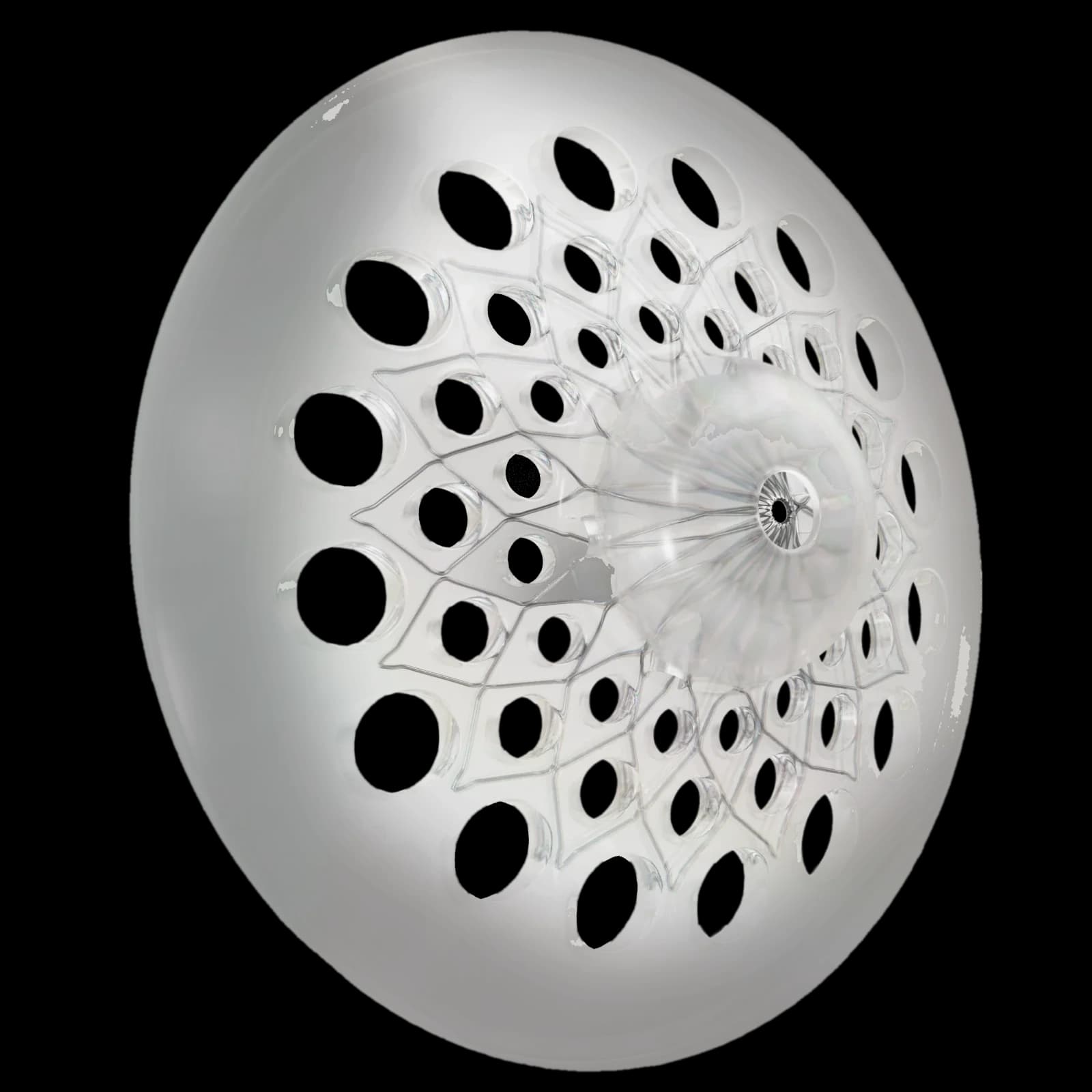
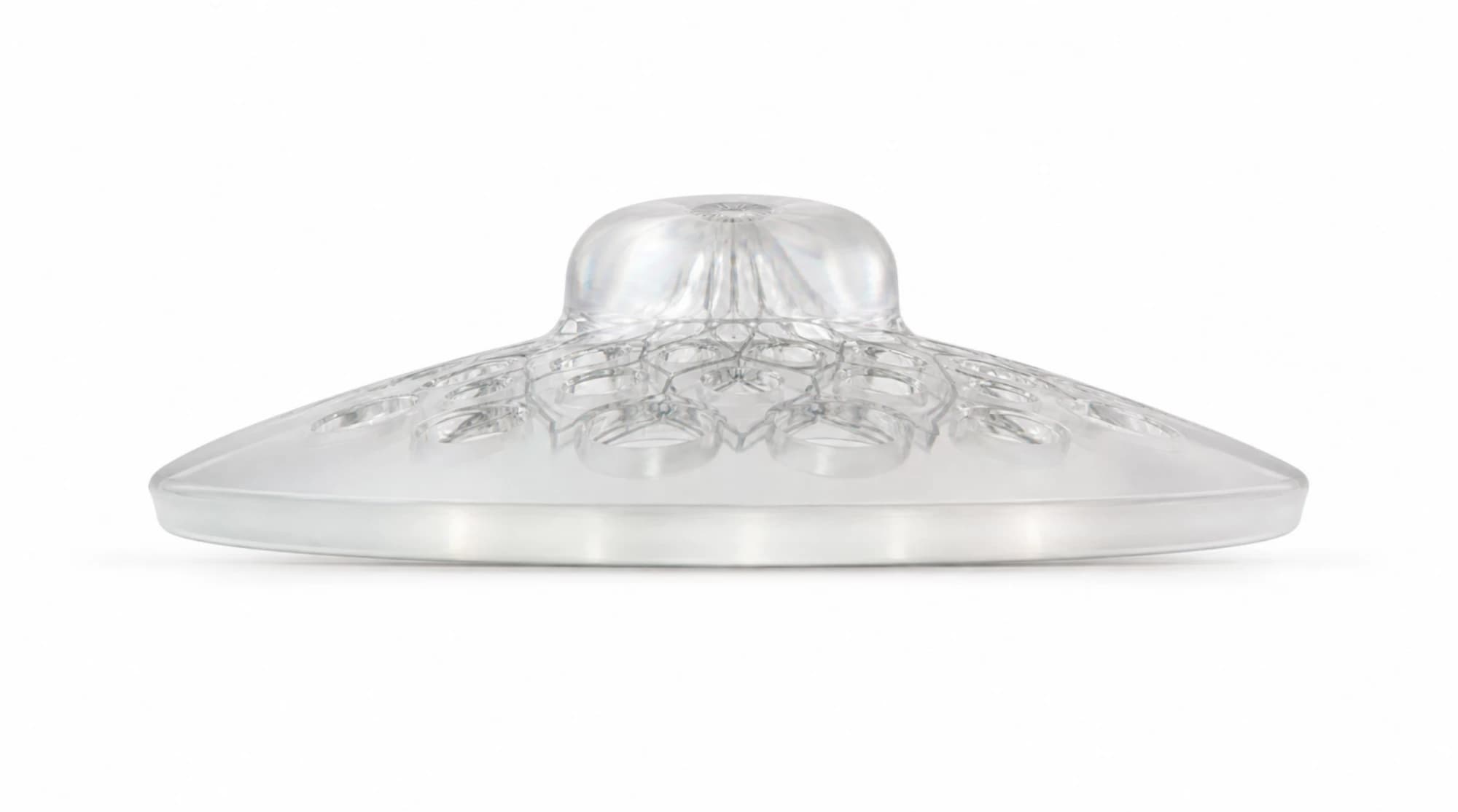
The silicone encapsulates the nitinol frame and is designed to provide a softer feel.

Perforated silicone

The perforations are designed for anchoring to the adjacent fat tissue.

Flower-shaped nitinol frame

A flower-shaped nitinol frame fully encapsulated in silicone. Nitinol is a metal made from nickel and titanium that is commonly used in medical devices.

A base for the nipple structure

The nipple structure sits on a flat base with designated suture holes at its outer ring.

One integrated silicone implant with an embedded floral-shaped nitinol frame.
The procedure

The procedure. Step by step.

Selection. Mastectomy with removal of the nipple or the nipple-areola complex. Healthy, well-vascularized, soft and pliable tissue of at least 10 mm at the site; an autologous reconstruction well healed. After radiation to the same breast or chest region, consider waiting at least 12 months after the final treatment. Contraindicated with known sensitivity to nickel or titanium, an active infection, pregnancy or lactation. Patient selection begins with careful tissue assessment.

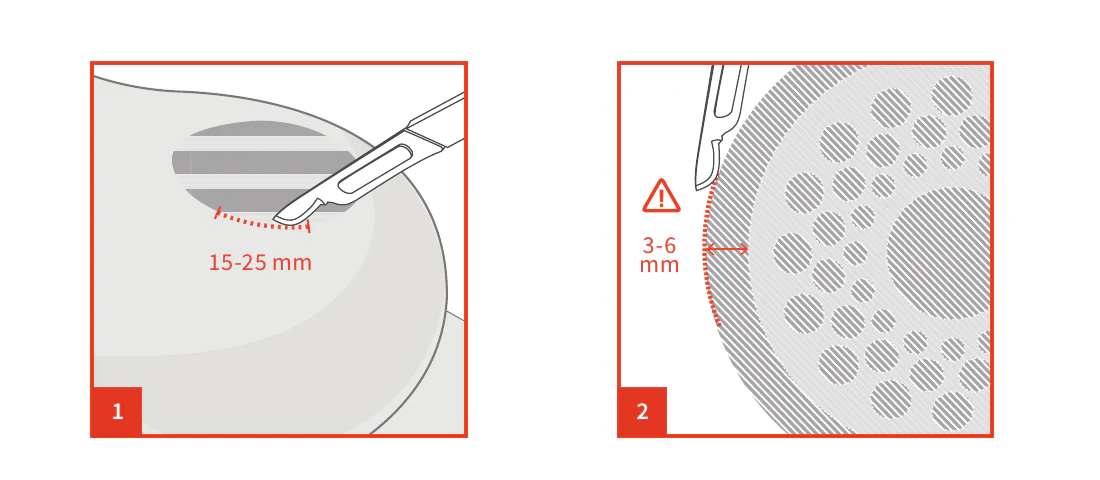
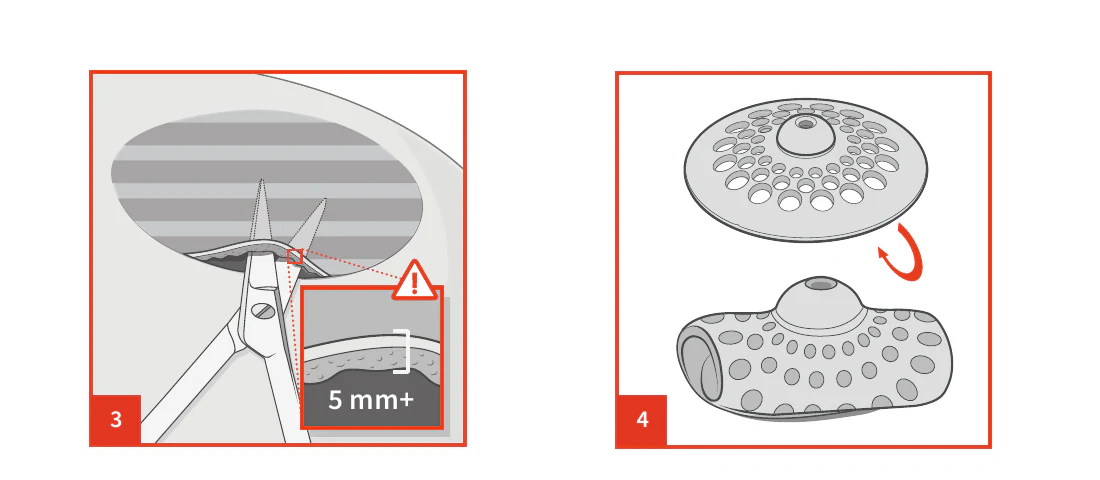
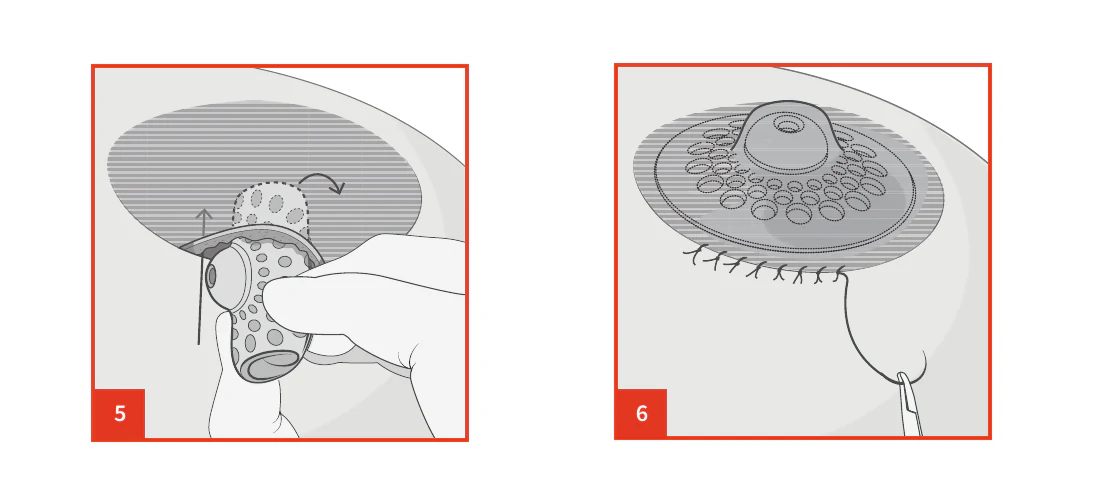
Placement. A 15 to 25 mm incision a few millimetres from the intended margin of the NAC, and a pocket developed in the subcutaneous plane to match the implant size. The implant is folded for insertion and placed flat, without folds, as described in the instructions for use.

Closure. The incision is closed in layers; where sutures are used they generally come out after about 7 to 10 days, depending on healing. Sterile, single use.

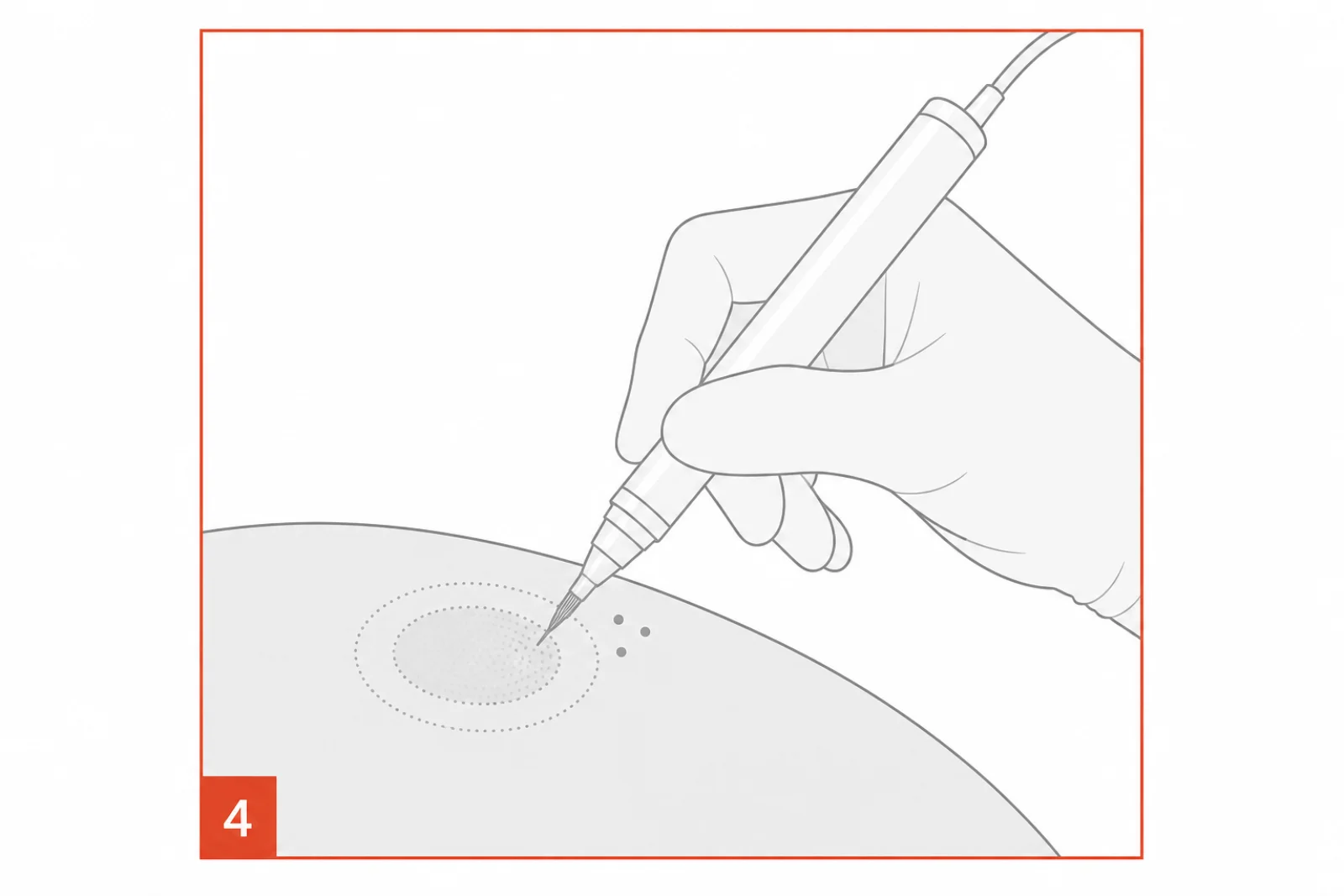
Pigmentation. Optional, and only once the treating surgeon confirms adequate healing, at least 6 months after implantation: a medical tattoo artist adds areola and colour. The implant is designed to support the shape; the tattoo adds the colour.

Illustrations 1 to 3 from the official product brochure; step 4 is a placeholder illustration.

Medical-grade silicone, one integrated body
Perforations
Flower-shaped nitinol frame, fully encapsulated
Nipple structure

The implant

As FixNip shows it.

Scroll

Official FixNip illustration (fixnip.com). FixNip NRI is supplied as one integrated implant.

One integrated silicone implant with an embedded floral-shaped nitinol frame.
Technical specification

The measures, on one sheet.

Dimensions and materials as stated in the Canadian instructions for use, which govern.

Base diameter
45 mm
Nipple diameter
14 mm
Total height
14.9 mm
Incision
15 to 25 mm
Frame
A flower-shaped nitinol frame fully encapsulated in silicone.
Silicone capping
Perforated medical-grade silicone capping; per the IFU, it allows anchoring to the adjacent fat tissue and provides a softer feel.
Placement
Within the subcutaneous tissue, as specified in the IFU; anaesthesia and setting per the treating surgeon
Supply
Sterile, single use, with implant card
Imaging
MR Conditional. Consult the IFU for the specific scanning conditions.
Instructions for use
Supplied with the product; the IFU governs patient selection and technique.

Instructions for use, Canada (PDF, English and French)

Your route to FixNip

From registration to your first case.

Four steps, one professional account. Verification is a manual check against your provincial college register, usually within one business day. FixNip certification is product-specific training provided by the manufacturer and its Canadian distributor; it is not a certification by a medical college or regulatory body.

  1. 1Register with your licence
  2. 2Expert account
  3. 3Academy and training
  4. 4Certification number and ordering

Clinical experience

Our evidence.

Two peer-reviewed publications and a conference abstract, each shown with its design, its population, its follow-up and its limitations. The instructions for use govern.

  • Designed to support nipple projection.

    A flower-shaped nitinol frame, fully encapsulated in silicone, designed to help maintain nipple projection over time.

  • Clinical outcomes.

    FixNip NRI has been evaluated in clinical studies involving nipple reconstruction following mastectomy, including prospective and retrospective investigations. Clinical outcomes assessed include nipple projection, patient satisfaction, and device-related complications. Results and follow-up durations vary across studies.

  • Safety and performance.

    Available clinical evidence has been evaluated to characterize the safety and performance of FixNip NRI, including adverse events, implant-related complications, and explantations. Patient selection, tissue characteristics, prior treatments, and adherence to the Instructions for Use remain important clinical considerations.

  • Licensed by Health Canada.

    FixNip NRI is licensed by Health Canada as a Class III medical device (Medical Device Licence No. 116189).

  • On average, per breast

    20min

    Procedure time in the first clinical study

    In the first clinical study, the average procedure time was 20 min per breast, under local anaesthesia.

    The implantation procedure and care setting are determined by the treating surgeon.

    Plast Reconstr Surg Glob Open, 2025 · Evidence

  • After 12 months

    3.7mm

    Nipple projection

    Nipple projection was maintained over 12 months: 3.4 mm at one week and 3.7 mm at 12 months.

    Plast Reconstr Surg Glob Open, 2025 · Evidence

Peer-reviewed trial · Plastic and Reconstructive Surgery Global Open, 2025

The first clinical trial.

A prospective, open-label, single-arm trial at two centres in Israel (ClinicalTrials.gov NCT04051892).

  • What was done

    10 women after mastectomy and breast reconstruction received 12 implants. Safety, nipple projection and patient satisfaction (BREAST-Q) were assessed over one year per implant.

  • What was found

    No intraoperative adverse events were reported. One implant was removed after a local infection and wound dehiscence in a previously irradiated breast. 8 of 10 patients were satisfied overall and would recommend FixNip to other women. Evidence Key projection and satisfaction results are shown on this page; all results are in the publication.

  • Limits

    A first-in-human trial in a small cohort. The authors describe the results as encouraging and recommend larger, multicentre studies with longer follow-up to confirm them.

Read the publicationKonfino et al., Plast Reconstr Surg Glob Open 2025;13(9):e7103, doi:10.1097/GOX.0000000000007103.

Peer-reviewed series · Plastic and Reconstructive Surgery Global Open, 2025

A one-year series from one centre in Italy.

A prospective single-centre series without a comparison group.

  • What was done

    40 consecutive patients after mastectomy with immediate or delayed breast reconstruction, 46 reconstructions in all. Tolerance, implant position on ultrasound and patient satisfaction (BREAST-Q) were followed for one year.

  • What was found

    Complications were reported in four patients: a nickel allergy, intolerance of the implant and incorrect implantation. 90% of patients were satisfied or very satisfied with the appearance of their reconstructed nipple. (n=40) Evidence In a published study, patients reported a significant improvement in psychosocial and sexual well-being after FixNip (BREAST-Q). Evidence The ultrasound and all other results are in the publication.

  • Limits

    A single-centre series without a comparison group and with a relatively small sample. The authors report statistically significant results and recommend comparative studies as the next step.

Read the publicationRiccio et al., Plast Reconstr Surg Glob Open 2025;13(1):e6410, doi:10.1097/GOX.0000000000006410.

Conference abstract · Hellenic Journal of Surgery, 2025

A short case series.

A case series published as a conference abstract: FixNip NRI after skin-sparing or skin-reducing mastectomy with immediate implant reconstruction.

  • What was done

    15 women, mean age 40 years, received the implant after adjuvant therapy, 16 reconstructions in all. Complications, projection and satisfaction were recorded over a mean follow-up of 7 months.

  • What was found

    No major complications such as haematoma, infection or necrosis were observed during the reported follow-up; the authors reported maintained projection and high patient satisfaction.

  • Limits

    Preliminary findings from a small series with short follow-up, published as an abstract: not evidence of long-term safety and not a guarantee of outcomes. In Canada, the tattoo interval follows the instructions for use (at least 6 months after implantation), not this protocol.

Read the conference abstractKoutra et al., Hellenic Journal of Surgery 2025;95(Suppl 1):9, doi:10.59869/25053 (PDF, page 9).

Intended use

FixNip NRI is intended for nipple reconstruction in patients who have undergone mastectomy with removal of the nipple or the nipple-areola complex. Whether it is an option for you is a decision you make with your surgeon.

The Canadian Instructions for Use are supplied with the product.Instructions for use (PDF)Risks and medical notice

This product may not be right for you. Talk to your healthcare professional.Risks and medical notice

Loading entries

All FixNip Centers

For clinics and hospitals

Become a FixNip Centre.

FixNip Centres are clinics and hospitals where certified surgeons perform the procedure and teach colleagues from their region. What it involves:

  • A certified team

    At least one surgeon of your clinic completes the FixNip Academy and the hands-on training and receives the FixNip certification number.

  • Training in your region

    Your centre hosts the hands-on training days, where surgeons from your region learn the implantation under the guidance of a certified trainer.

  • Found by patients

    Your centre is listed in the FixNip Centre locator on this website, where patients and surgeons find you by province.

    Talk to us about becoming a Centre
For plastic surgeons

The clinical dossier.

Twelve pages. Made for your desk.

PDF · by e-mail, in about a minute

  • Healed results
  • Every study, with its limits
  • Patient selection

No obligation. No call. Privacy policy

Licensed by Health Canada as a Class III medical device. Medical Device Licence No. 116189.

Questions

Good to know.

FixNip NRI for surgeons | FixNip Canada